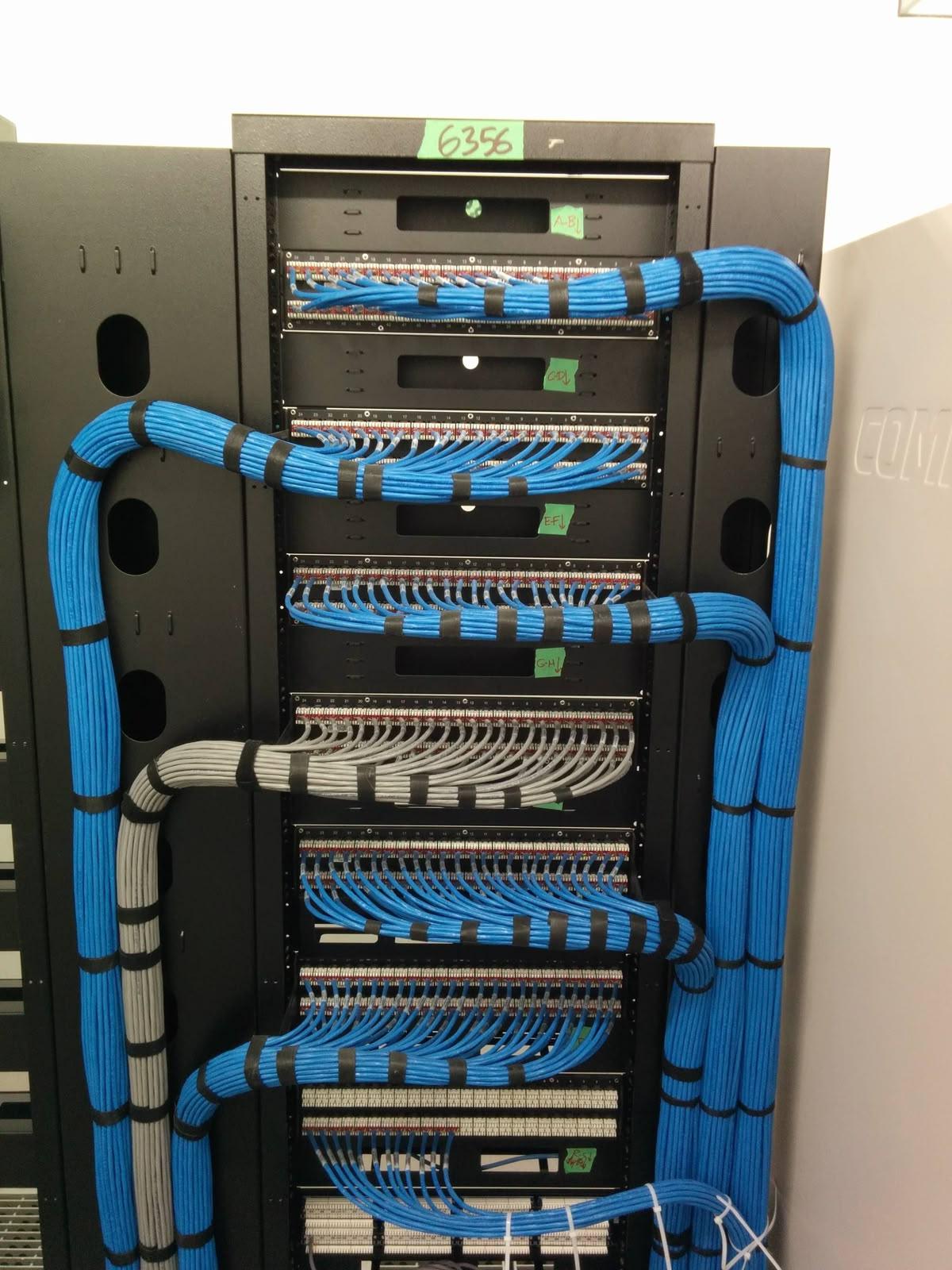
What is Network Infrastructure?
Network Infrastructure refers to the entire collection of hardware, software, pathways, and services required to enable network connectivity, communication, operations, and management of an enterprise network. It serves as the backbone of modern IT environments, linking devices (computers, servers, IoT devices) together and connecting them securely to the internet or external data centers.
Its core components typically include:
- Hardware: Routers, switches, wireless access points, network cabling (Fiber, Cat6), firewalls, and physical servers.
- Software: Network operating systems, network security applications, routing protocols, and Network Management Systems (NMS).
- Services: Core network services like IP addressing (DHCP), Domain Name Systems (DNS), and internet connectivity.
Key Benefits of a Robust Network Infrastructure
- High Availability & Reliability: A well-designed infrastructure minimizes downtime by implementing redundant paths and backup systems, ensuring business operations run continuously.
- Enhanced Security: It allows organizations to enforce strong security perimeters using firewalls, intrusion prevention systems, and network segmentation to protect sensitive data from cyber threats.
- Scalability: A modern network infrastructure is built with growth in mind, allowing the seamless integration of new devices, users, applications, or branch offices without degrading performance.
- Optimal Performance & Speed: High-quality infrastructure provides low latency and adequate bandwidth, which is essential for smooth data transfers, clear VoIP communications, and running cloud-based applications.
- Centralized Management & Monitoring: It empowers IT administrators to monitor traffic, track network health, and troubleshoot configuration issues remotely and proactively before they disrupt users.
Network Infrastructure & Connectivity Engineering Services
1. LAN/WAN Network Architecture & Design: Planning and designing structural Local Area Networks (LAN) and Wide Area Networks (WAN) to map out optimal data pathways, ensuring stable, high-availability connectivity for enterprise business applications.
2. Advanced Routing & Switching Configuration: Programming and configuring network hardware, including core switches, edge routers, and wireless access points. Implementing Quality of Service (QoS) rules to prioritize critical traffic like ERP systems and VoIP communications.
3. Long-Range Wireless Bridging (Point-to-Point): Designing and deploying high-performance outdoor wireless bridging solutions (Point-to-Point and Point-to-Multipoint) to link separated properties and distant branch offices using specialized outdoor hardware (e.g., CPE/Pharos wireless bridges), building a unified local network securely.
4. Network Security & Perimeter Hardening (Firewalls & VLANs): Protecting infrastructure against cyber threats by configuring network firewalls, Intrusion Prevention Systems (IPS), and implementing network segmentation (VLANs) to completely isolate sensitive data and corporate servers from public or guest networks.
5. Secure Remote Access & Enterprise VPN Setup: Deploying and encrypting Virtual Private Networks (VPNs) to enable remote employees and external branches to securely access local on-premise servers and internal enterprise systems from anywhere in the world.
6. Core Network Infrastructure Services Management: Setting up, configuring, and maintaining essential backend network protocols and services, including Dynamic Host Configuration Protocol (DHCP) allocation and local Domain Name Systems (DNS) for rapid device discovery and smooth routing.
7. Proactive Network Monitoring & Traffic Optimization: Integrating Network Management Systems (NMS) to track real-time bandwidth utilization, identify latency bottlenecks, and remotely troubleshoot network anomalies proactively before they disrupt business operations.